
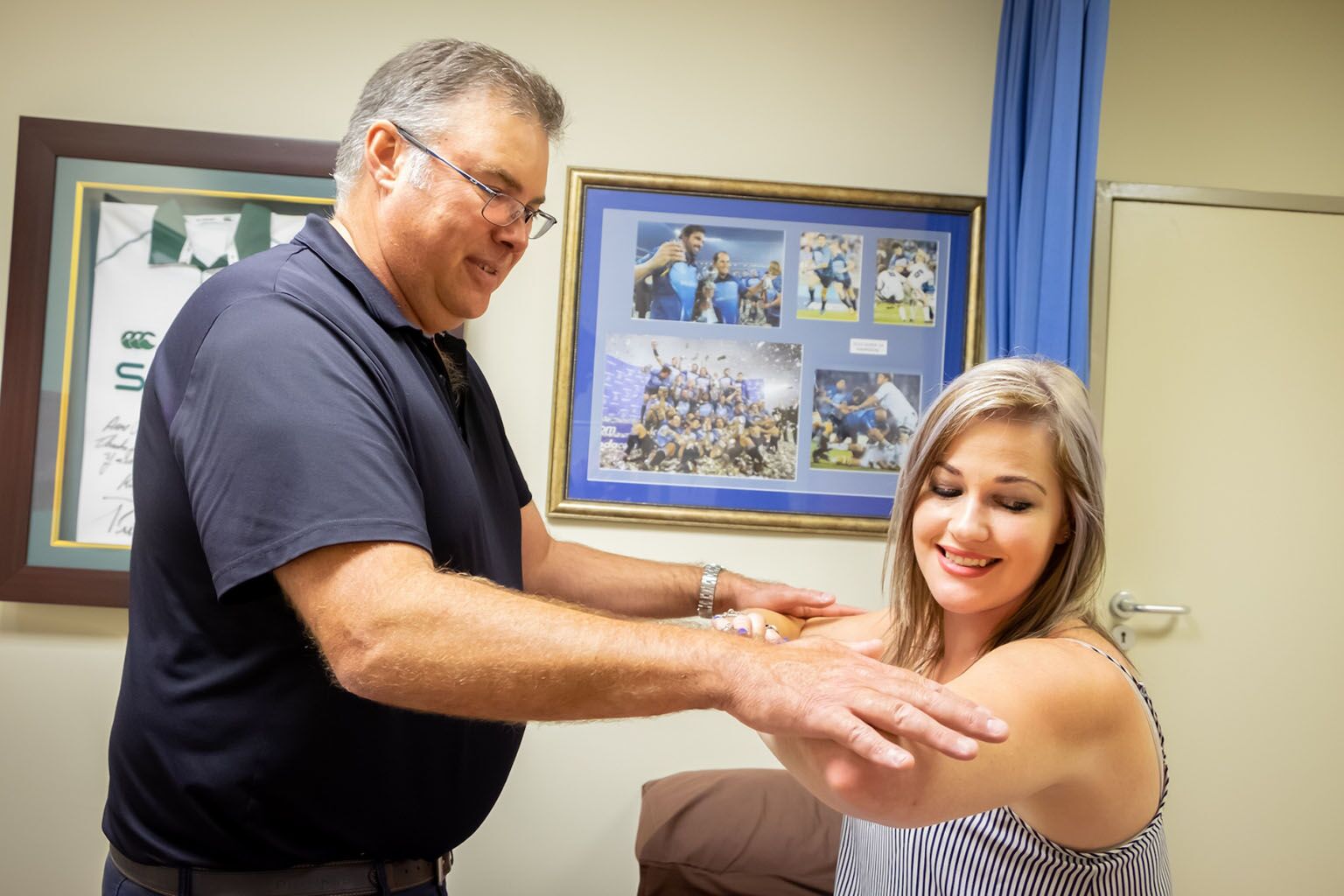
Recovering from shoulder surgery requires a holistic approach that includes not only physical healing but also mental well-being. Here are some mental health tips to support your recovery:
1. Stay Positive & Patient
Recovery can be slow, but maintaining a positive attitude can significantly impact your mental and physical health. Set small, realistic goals to celebrate progress, no matter how minor.
2. Practice Mindfulness & Relaxation Techniques
Incorporate deep breathing exercises, meditation, or progressive muscle relaxation to manage stress and anxiety during recovery. Mindfulness can also help you stay present and focused on healing.
3. Manage Expectations
Understand that recovery is a journey. Set realistic timelines for your progress, and remember that setbacks are part of the process. Be kind to yourself and avoid frustration by recognizing the progress you make, even when it feels slow.
4. Stay Connected
Isolation can lead to feelings of depression, so keep in touch with friends, family, and support groups. Share your experiences and concerns to avoid feeling overwhelmed.
5. Seek Professional Mental Health Support
Consider talking to a therapist or counselor if you experience anxiety, depression, or emotional distress. They can offer strategies to help you cope with the emotional side of recovery.
6. Focus on What You Can Control
Instead of dwelling on physical limitations, redirect your energy toward aspects you can control, such as eating well, following your physical therapy regimen, or engaging in hobbies that don’t strain your shoulder.
7. Celebrate Small Victories
Acknowledge and reward yourself for small milestones in your recovery journey, such as gaining more mobility or reduced pain. This can help build mental resilience and motivation.
8. Maintain a Routine
Staying in a routine, even if it’s modified due to your surgery, can help reduce stress and provide a sense of normalcy. This includes regular sleep patterns, balanced nutrition, and taking time to rest.
9. Engage in Gentle Physical Activity
Once your doctor allows, engage in gentle exercises like walking, as it can boost mood and prevent the feelings of being stuck or inactive, which may negatively affect your mental health.
10. Focus on Nutrition
Eat a balanced, nutrient-rich diet that supports both physical healing and mental health. Omega-3s, leafy greens, and proteins support brain function and emotional stability.
Holistic recovery is about nurturing both your mind and body. With the right mental health strategies, you’ll be better equipped to navigate the physical and emotional challenges that come with recovering from shoulder surgery.
